Initial attack FIRE MITIGATION

Wildfire Mitigation and Wildlife
How Wildfire Mitigation Helps Wildlife Thrive
1/21/2026
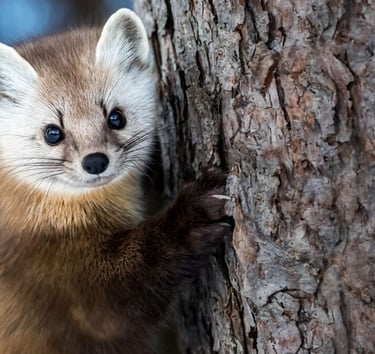
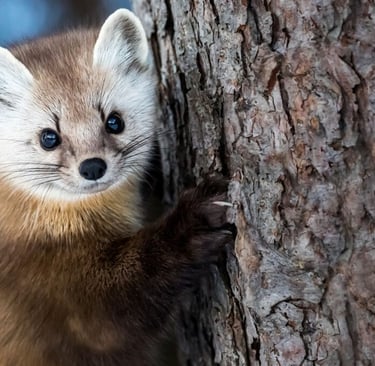
When people hear wildfire mitigation, they often think it’s only about protecting homes. But smart mitigation does something just as important—it helps wildlife survive and flourish.
Overgrown forests and dense brush create dangerous conditions where wildfires burn hotter, faster, and longer than nature ever intended. When these extreme fires occur, animals often can’t escape. Entire habitats are lost, food sources are destroyed, and recovery can take decades.
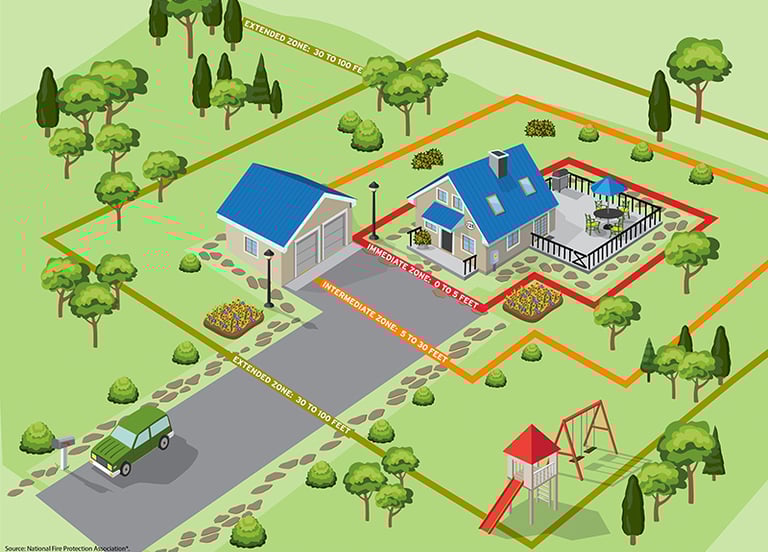
Wildfire mitigation—like selective thinning, brush removal, and creating defensible space—restores balance to the land. By reducing excess fuels, fires that do occur are more likely to burn at lower intensities, allowing animals time to flee and vegetation to recover naturally.
Healthier forests mean:
More diverse plant life, which supports insects, birds, and grazing animals
Improved movement corridors for deer, elk, and smaller wildlife
Safer nesting and denning areas protected from catastrophic fire
In many cases, mitigation actually mimics natural fire cycles that ecosystems evolved with—without the devastating consequences of modern megafires.
Protecting your property doesn’t mean pushing wildlife out. When done responsibly, wildfire mitigation creates stronger forests, safer communities, and a landscape where people and wildlife can coexist for generations to come.
Prepared land is resilient land—for all who live on it.
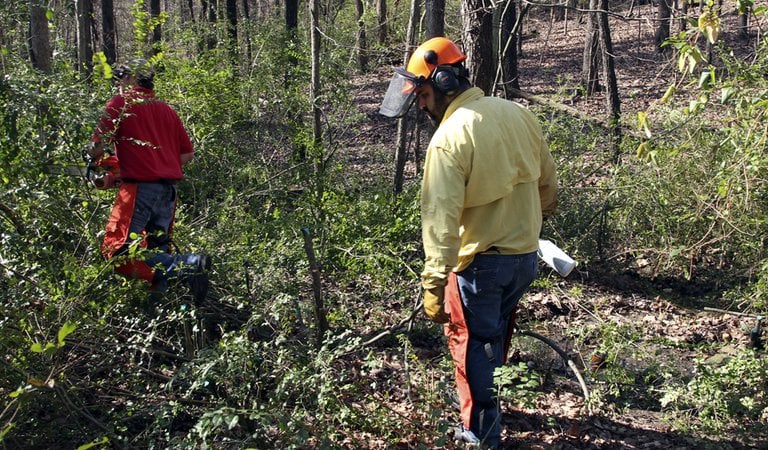
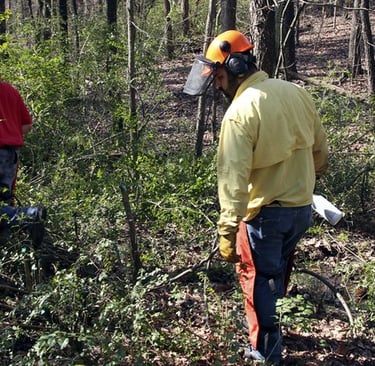
Expert Fire Mitigation for Homes and Land.
Contact
Get in touch with us
Eli@initialattackfiremitigation.com
719-343-0670
© 2026. All rights reserved.