Defensible space
Prairie Urban Interface
Wildfire Risk Isn’t Just a Forest Problem — It’s a Prairie Problem Too
 Eli · Firefighter & owner1 min read
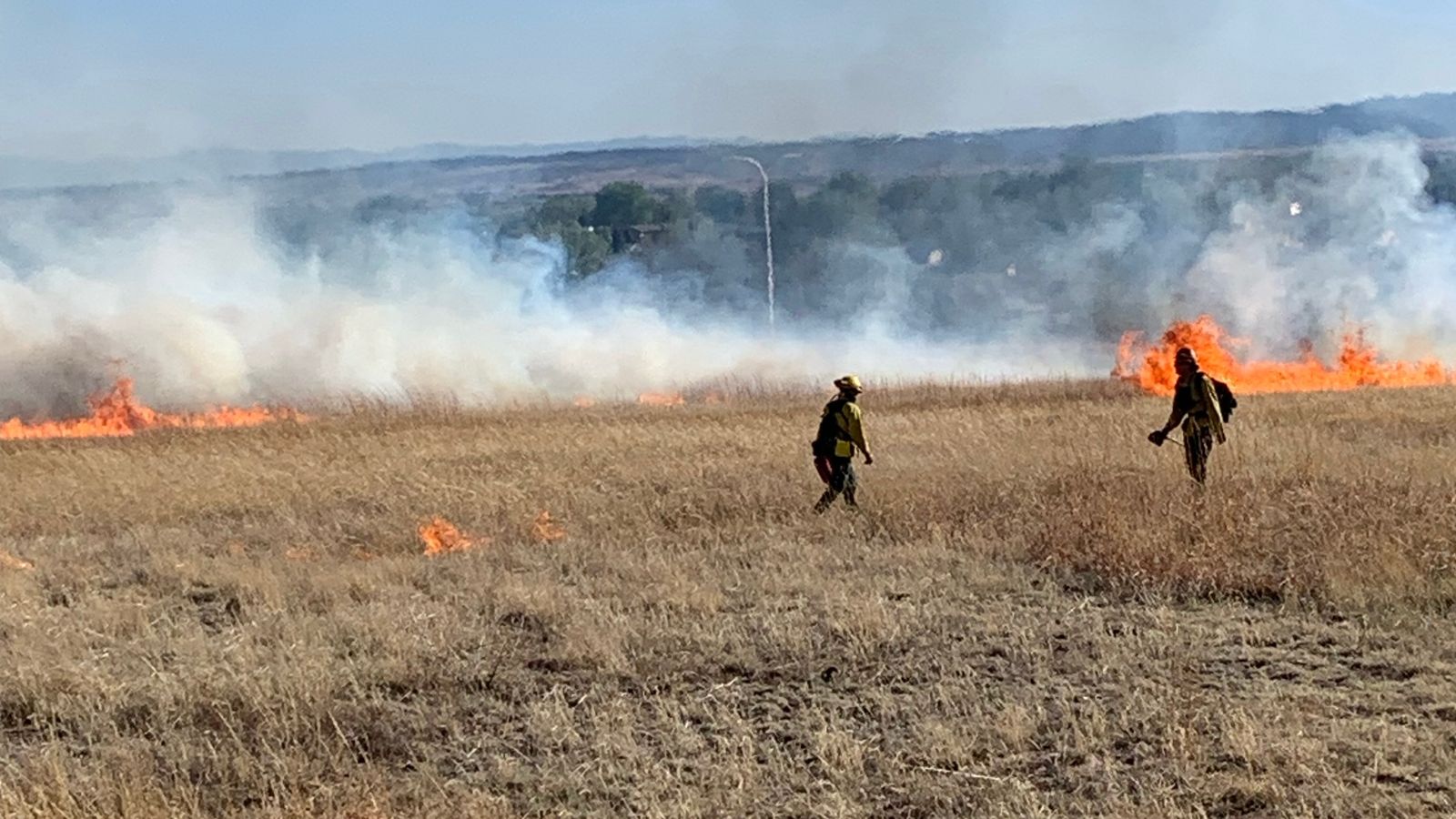
When people think of wildfire risk, they often picture dense forests in the mountains. But here along the prairie-urban interface (PUI)—where grasslands meet neighborhoods—the risk can be just as serious, if not more so.
Prairie fires spread fast. Dry grasses, open winds, and low humidity allow flames to move rapidly, often with little warning. Unlike forest fires that may smolder and build, grass fires can travel miles in minutes, threatening homes before fire crews can get ahead of them. In areas with low snowfall and year-round drying conditions, this risk doesn’t disappear in the winter—it lingers all year long.
That’s why wildfire mitigation in prairie environments is still critical. Creating defensible space, reducing fine fuels like tall grasses and brush, maintaining access routes, and hardening the area immediately around your home can make the difference between a structure that survives and one that doesn’t.
The good news? These risks are manageable with the right preparation.
We help property owners in prairie and mixed landscapes reduce wildfire risk before the next fire starts. From fuel reduction to customized mitigation plans, we focus on practical, effective solutions that protect homes and give firefighters a fighting chance.
Wildfire doesn’t need trees to be dangerous. If you live near open land, mitigation matters—and we’re here to help.
Written by Eli
Firefighter and owner of Initial Attack Fire Mitigation, based in the Colorado foothills.
More about Eli